

The Zimbabwean government has come under fire since Saturday for imposing a freeze on bank lending.
Stakeholders in the business sector on Monday warned that the move will encourage the development of a shadow banking system and jeopardise the country’s economic recovery.
President Emmerson Mnangagwa on Saturday ordered banks to suspend their lending activities as part of a plan to revive a country overwhelmed by soaring inflation driven by the war in Ukraine and soaring commodity prices.
In early April, the Central Bank of Zimbabwe raised its main policy rate from 60% to 80% to curb inflation.
This rate is currently the highest in the world and is an absolute record for this southern African country, according to the financial agency Bloomberg.
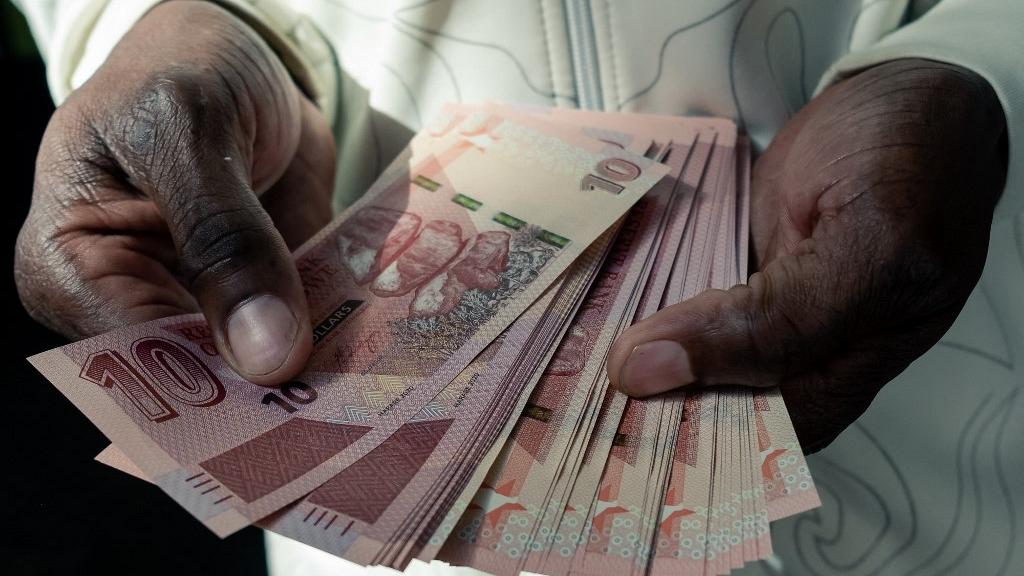
The freezing of bank credits, according to the executive, aims to put a stop to speculation against the Zimbabwean currency, which has been trading in recent days on the parallel market at nearly 400 Zimbabwean dollars for one US dollar, more than double its official rate.
The Chamber of Commerce and Industry for its part blasted the executive’s decision in a statement, which “legitimises a parallel banking system at usurious rates”.
“No investor will be interested in an economy where bank credits can be frozen overnight,” it warned.
The country’s main banks initiated talks with the central bank on Monday. Shepard Ngandu, a union leader in the banking sector, stressed during these discussions “credit is the primary source of income for a bank.
Zimbabwe’s economy has been in deep crisis for more than 20 years, with international donors withdrawing because of unsustainable debt.