

Contrary to many African nations, being gay or queer in Rwanda is not illegal.
The country is seen as a safe haven by many members of the LGBTQ+ community that seek refuge here from violence in their countries of origin.
Such is the case of Ahmed, a Ugandan refugee.
“I was beaten terribly. Beaten terribly. It was a dark room I found some other people. They tied my testicles. They tied them on the roof and then I was left balancing, like on my testicles hanging from my testicles”, recounts Ahmed (last name not disclosed for safety), an LGBTQ+ Ugandan Refugee.
But even if the law is on their side in Rwanda, many gay and queer people still face discrimination, namely when it comes to find work.
“I cannot go anywhere or apply for a job. Not because I am not capable of that, but because of who I am. That’s the thing”, said Tonia who identifies as transgender.
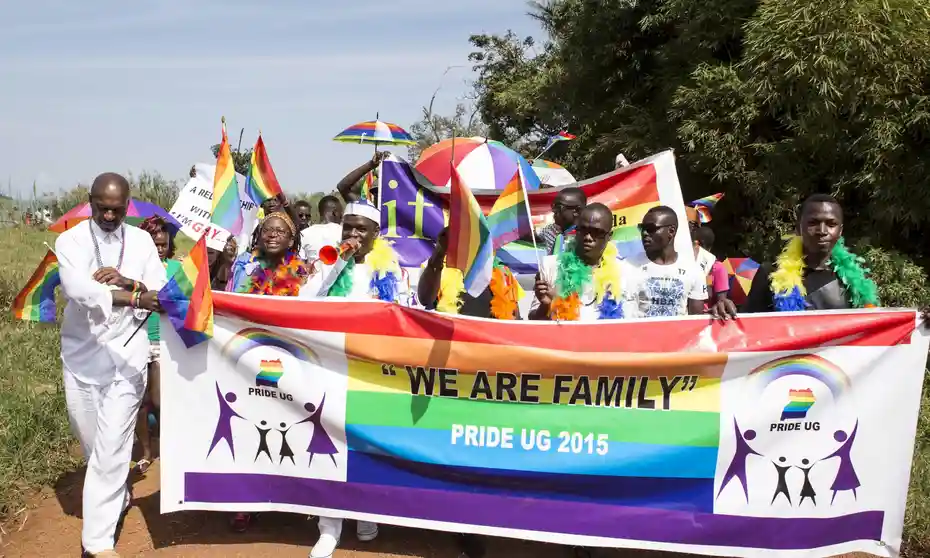
Last month members of the LGBTQ+ community around the world celebrated the International Day Against Homophobia, Biphobia and Transphobia.
To mark the occasion, many members of the community participated in the EU supported ISANO Fashion Show in the capital, Kigali.
But despite being seen as a safe haven, some believe Rwanda still has a long way to go to end discrimination.
SOUNDBITE (English) John Mudakikwa, Executive director of the Centre for Rule of Law (CERULAR):
“This community may need special rules, I mean, special laws. We may need laws on marriage, same sex marriage. We may need laws regulating or punishing anti-discrimination of all forms. Discrimination including LGBT people. We need the laws and policies to recognise LGBT persons as a distinct group of people”, admits John Mudakikwa, Executive director of the Centre for Rule of Law (CERULAR).
Rwanda is soon expected to host thousands of asylum seekers, many from Africa, including some who are LGBTQ+.